


Louisiana Resident Hospitalized with 97% Fatal ‘Brain-Eating’ Infection After Swimming in Lake
Louisiana Resident Hospitalized with 97% Fatal ‘Brain-Eating’ Infection After Swimming in Lake

Vanessa EtienneThu, August 20, 2026 at 7:50 PM UTC
0
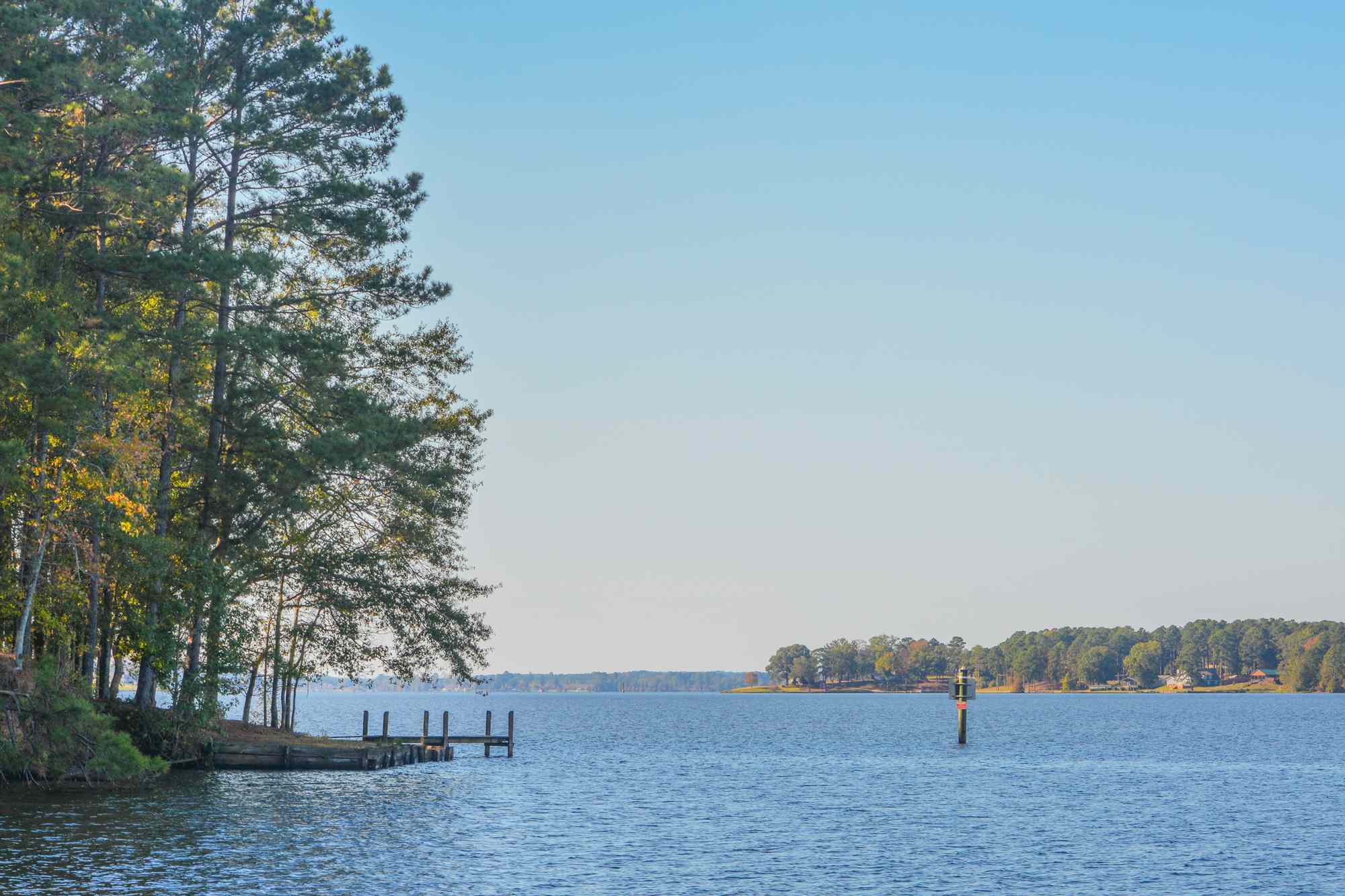
Lake Claiborne in LouisianaCredit: Getty -
A Louisiana resident contracted a rare brain-eating amoeba infection after swimming in Lake Claiborne
The infection, primary amebic meningoencephalitis (PAM), has a 97% fatality rate with only four U.S. survivors since 1937
Health officials urge caution in warm freshwater as the amoeba thrives in lakes, rivers and poorly maintained pools
A Louisiana resident is hospitalized after being infected with a rare brain-eating amoeba.
On Wednesday, Aug. 19, the Louisiana Department of Health issued a warning and confirmed that a resident contracted a rare Naegleria fowleri infection after swimming in Lake Claiborne.
Naegleria fowleri, commonly referred to as a brain-eating amoeba, is a single-celled living organism that can cause a rare and life-threatening infection of the brain called primary amebic meningoencephalitis (PAM). According to a CDC report, only four people in the U.S. out of 173 from 1937 to 2025 have survived the infection, making the fatality rate about 97%.
Louisiana has only had three confirmed cases since 1937. On Tuesday, Aug. 18, officials issued a Health Alert Network advisory to healthcare providers to outline symptoms and reporting guidelines.
The brain-eating amoeba is commonly found in warm freshwater such as lakes, rivers and hot springs. It also resides in poorly maintained or minimally chlorinated swimming pools, staying in these habitats to feed on bacteria.
Advertisement
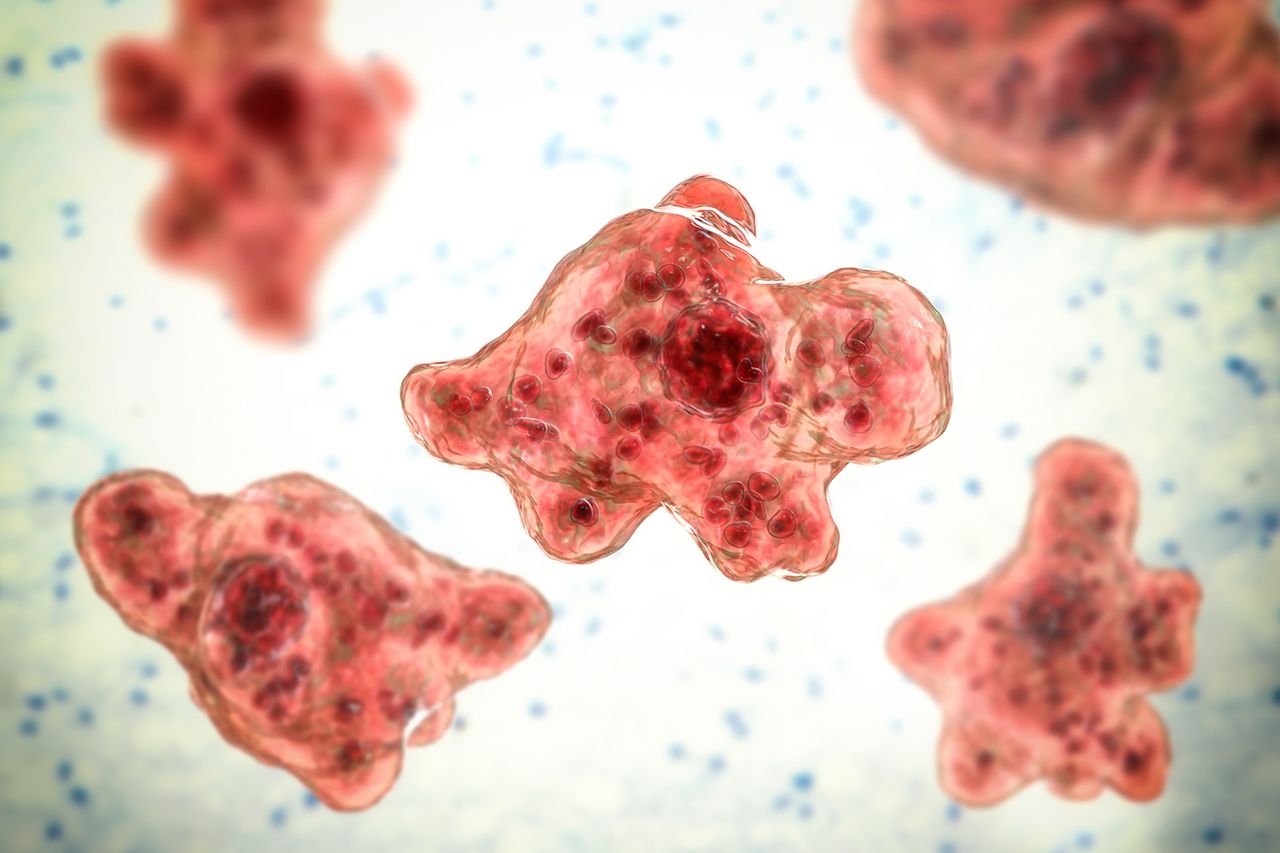
Brain-eating amoebaCredit: Getty
Symptoms of brain-eating amoeba generally start one to nine days after nasal exposureand many people die within 18 days of showing symptoms, according to the CDC. These include severe headaches, fever, nausea and vomiting in the first stage and stiff neck, seizures, altered mental status, hallucinations and coma in the second stage.
PAM, the infection caused by the amoeba, is ultimately hard to detect because of the rapid progression of the disease. Diagnosis is typically made postmortem.
— sign up for PEOPLE’s free daily newsletter to stay up-to-date on the best of what PEOPLE has to offer, from celebrity news to compelling human interest stories.
Although infection is rare, there is currently no way to reduce the number of amoebas in water. On its website, the CDC says it is “unclear how a standard might be set to protect human health and how public health officials would measure and enforce such a standard.”
The only guaranteed way to avoid brain-eating amoeba infections is to refrain from participating in water-related activities in warm freshwater. Anyone who spends time in the water is urged to cover their nose or use nose clips.
on People
Source: “AOL Breaking”
