


How Manchester Airport put Heathrow to shame
How Manchester Airport put Heathrow to shame

Christopher JasperFri, August 21, 2026 at 11:00 AM UTC
0
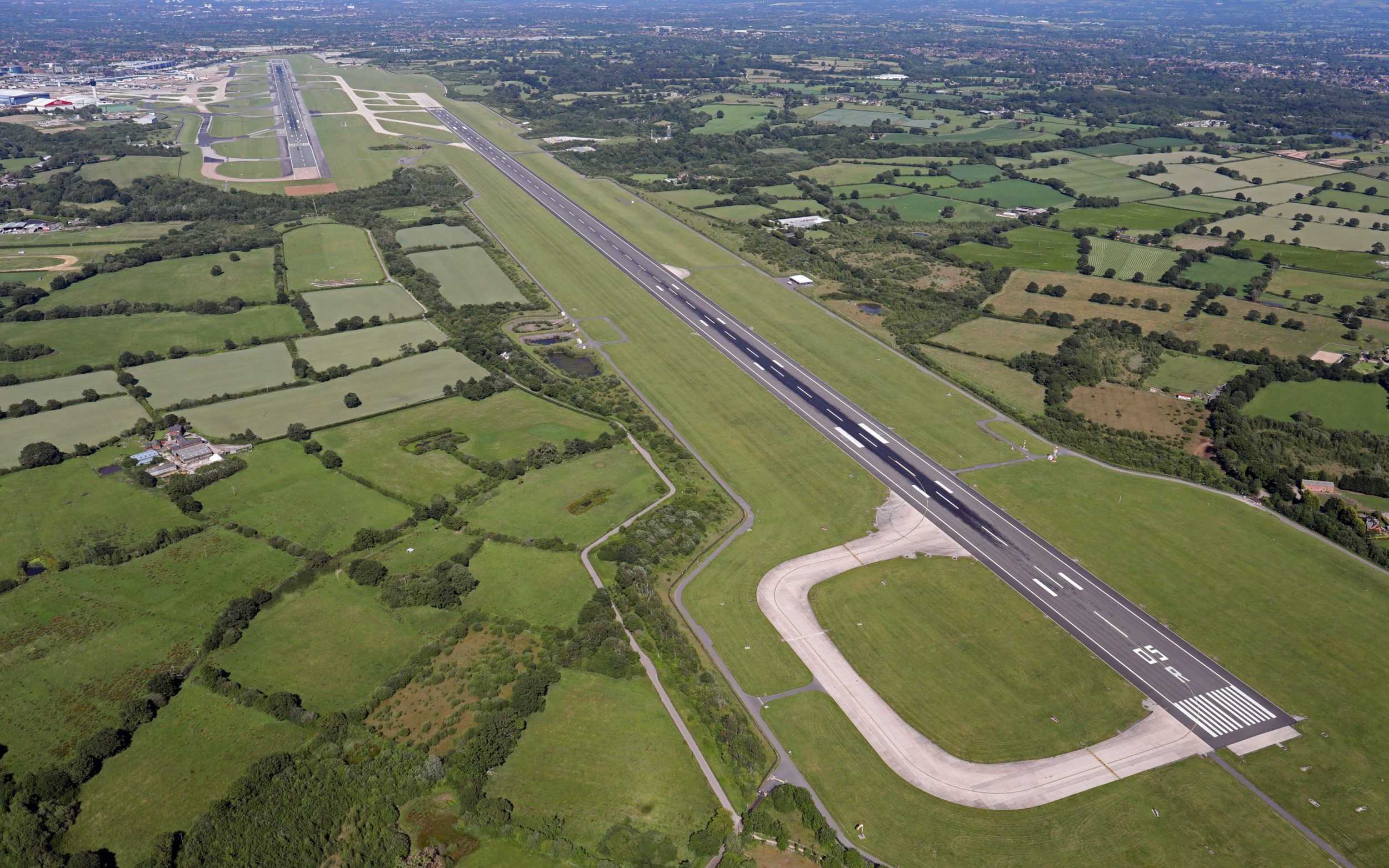
Passenger numbers have been growing rapidly since the expansion - Alamy
On a cold, damp May morning in 2001, Sir Tony Blair, then the prime minister, cut a ribbon to open the second runway at Manchester Airport.
No one knew it at the time, but this was to be the last new runway to open in Britain to this day, testament to how inept the country has become at developing vital infrastructure.
Yet Manchester also provides a lesson in how major projects can be delivered on time and budget, not least for Heathrow, which is aiming to build Britain’s next new runway by 2035.
While Heathrow is in a different league to the northern hub – with 84 million annual passengers versus 32 million – the relative success of Manchester puts London to shame.
Astonishing as it now sounds, Manchester’s second landing strip took just four years to build and cost only £172m.
Since then, it has spent just £2bn to double the size of its main terminal and lift customer numbers by 85pc – a fraction of Heathrow’s £49bn price tag.
And while Manchester has been piling on passengers, Heathrow has lurched from one runway crisis to another while slipping down the global rankings, losing its status as the busiest airport in Europe to Istanbul last month.
Bosses are hoping to win planning permission for a third runway by 2029, with it becoming operational in 2035, but the project still faces major hurdles.
How did Manchester Airport do it? And what can Heathrow do to mirror its success?
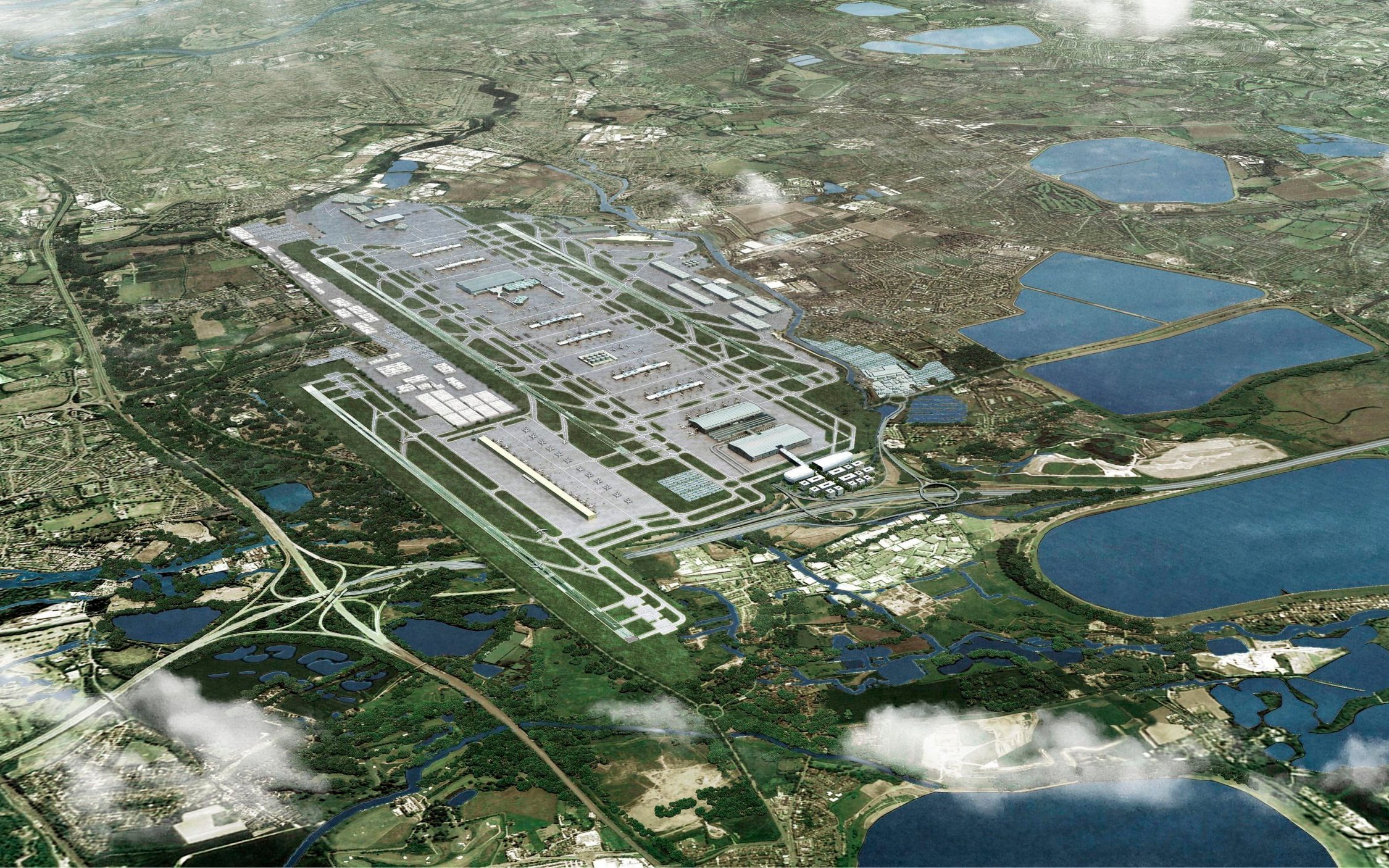
Heathrow’s third runway plans have been stuck in a quagmire - Heathrow Airport/PA
The close ties between Manchester’s politicians and the region’s business community in the 1990s no doubt helped – in stark contrast to the rift between Heathrow and London’s mayors, from Ken Livingstone to Sir Sadiq Khan.
Graham Stringer, who led Manchester city council from 1984 to 1996, says he never understood the attitude of London politicians and some Labour colleagues to Heathrow.
“They’re damaging the London economy and the national economy by their continuing objections,” he says. “There are so many new runways in Europe in cities like Madrid, and a greater share of intercontinental traffic is now going there.
“They’ve over-responded to people who are genuinely concerned about the noise, when in reality, jets are so much quieter than in the 1960s and 70s, and the noise footprint is less and getting lower.
“They should be arguing for two new runways, not one, which gives them a heart attack when you say it.”
Stringer said Manchester’s second runway was built mainly in open countryside and attracted protests from the eco-warriors of the time, including the infamous Swampy. But a push to boost local wildlife won over sceptics.
The ownership of the airport was also divvied up between Manchester’s local district councils, where each got a small stake and a “vested interest in the airport doing well”.
Other than “some jealousy from Liverpool”, the runway also won cross-party backing across the North West and beyond, including strong support from Sir John Major’s government.
Advertisement
Manchester has always been good at boasting about its success, punching above its weight in garnering national attention.
But before the region’s renaissance, there was a genuine sense of malaise affecting the regions – one which leaders sought to fix.
Sir Richard Leese, who succeeded Stringer as Manchester city council chief, said council bosses were well aware of the need to put Manchester on the map after decades of decline.
He says: “We recognised that if we’re going to succeed in the modern economy, it had to be an international city and being an international city meant having good international links.
“It was also recognised that for infrastructure, if you waited until your existing assets were gone or were full, it takes a long time to build new stuff. We thought, let’s build the infrastructure in advance so that we are able to continue growing.”
Sir Richard said Manchester city council had a hand-in-glove relationship with business during the decade leading up to the airport winning planning permission in 1997.
Public-private links had been forged in the 1980s through the city’s failed Olympic bids, and as Right-leaning Labour politicians embraced projects such as the Trafford Centre.
Private capital took on an even bigger role in 2013 when local officials sold a 35pc stake in Manchester Airports Group to Australian infrastructure investor IFM.
Henri Murison, the chief executive of the Northern Powerhouse Partnership, said the step was crucial in funding terminal expansion to make full use of the space for extra flights.
“This country has lost its confidence and the thing about Manchester and the wider North is that there is no lack of confidence here,” he says. “We have the ambition and guile to get on with it.”
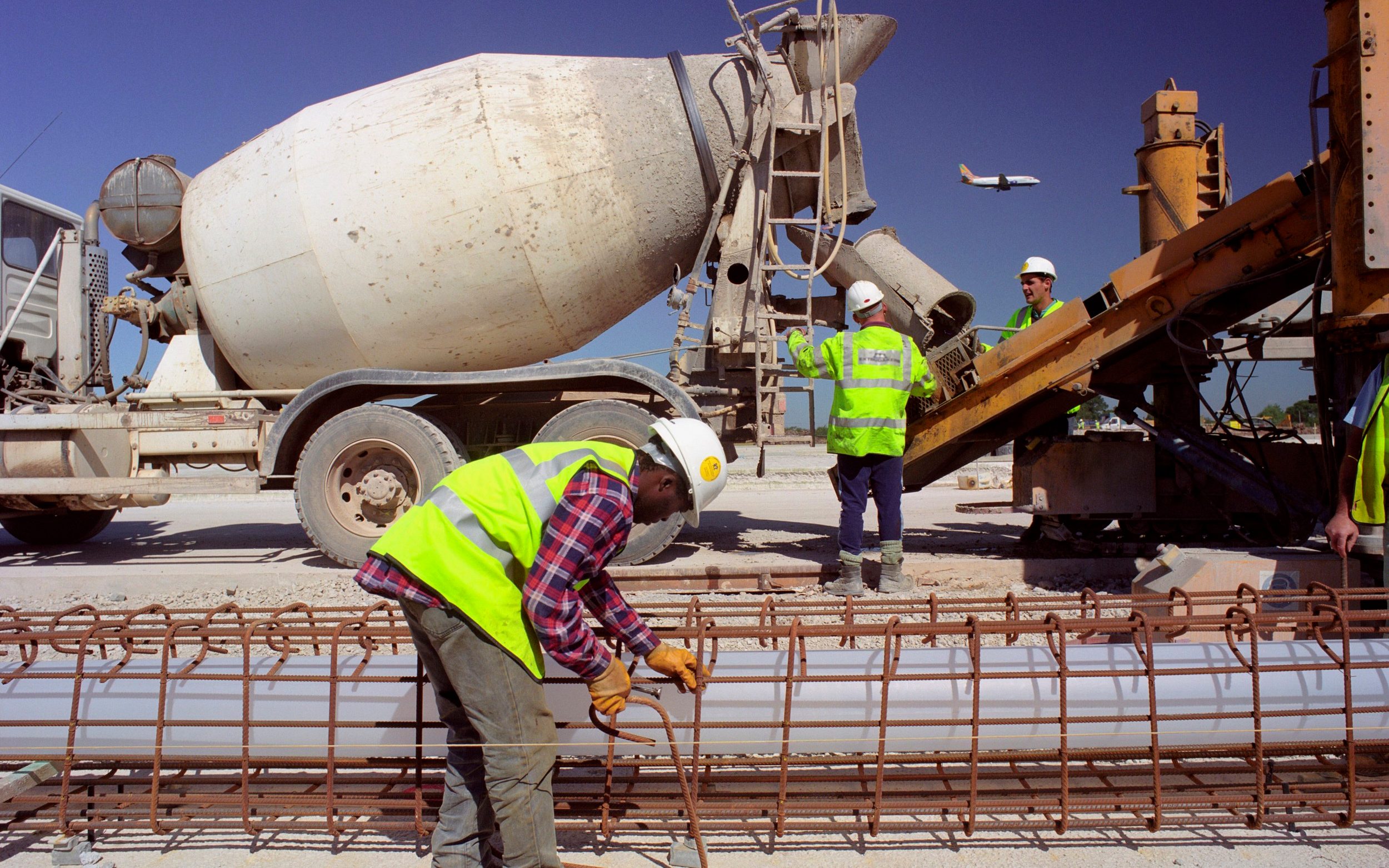
Manchester’s second landing strip was the last new runway to open in Britain - Len Grant/Construction Photography/Avalon/Getty Images
Although the airport’s connections with Liverpool, Leeds and Bradford will be improved by the £45bn Northern Powerhouse Rail project, approved by ministers in January, the scaling back of HS2 means the project will only run as far as Birmingham.
Murison says that while Rachel Reeves, the former chancellor, indicated a substitute for the northern leg of HS2 would have to wait until the main project was completed, he expects Andy Burnham to come up with a quicker fix after long arguing that the project should not be abandoned.
He says: “I think the Government is now working on this as a project. The last chancellor said it would come in the 2040s because she didn’t have the money. But Andy Burnham has been open to using private funding.”
Lord O’Neill of Gatley has said Manchester Airport’s wealth generation backed up the argument for the fiscal devolution he advocates, and which the Prime Minister has said he intends to implement.
Writing in the foreword to a report lauding Manchester Airport’s success, he said: “The case for a second runway at Manchester was predicated on capacity and passenger forecasts. What strikes me is how much bigger the story has turned out to be.
“Places succeed when they know exactly what they’re trying to achieve and back it consistently. Manchester Airport is one of the best examples of that approach in practice.”
When Sir Tony stood on the tarmac in 2001, it was unlikely he would have foreseen the quagmire that rivals such as Heathrow would face in the future trying to repeat Manchester’s success.
But, perhaps now is the time to copy Manchester’s blueprint.
Source: “AOL Money”
