


Freedom 250 is hybrid-powered. How IndyCar signals industry direction.
Freedom 250 is hybrid-powered. How IndyCar signals industry direction.

Henry Payne, The Detroit NewsFri, August 21, 2026 at 2:10 PM UTC
0
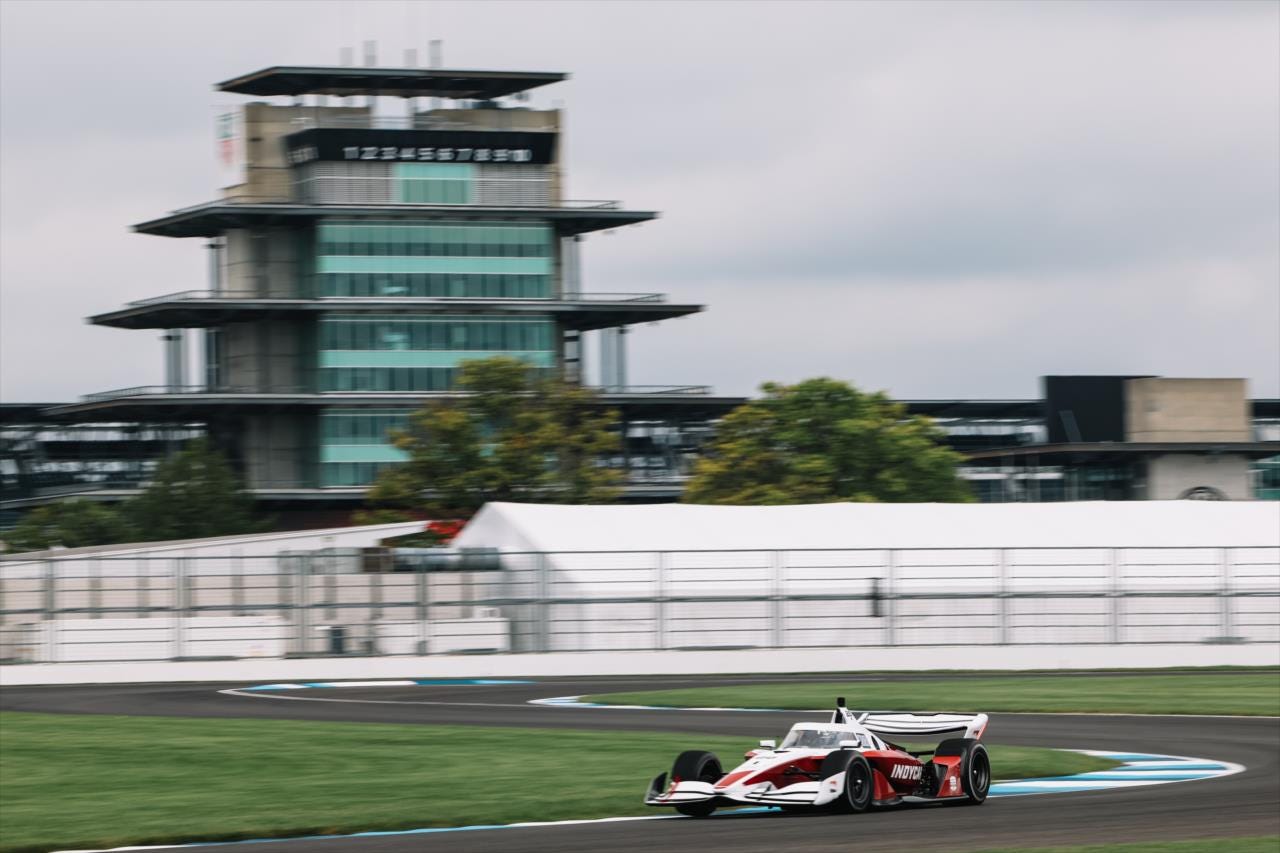
WASHINGTON ― As the NTT IndyCar Freedom 250 Grand Prix roars into the nation’s capital this weekend, it coincides with the unveiling of the series’ new, next-generation hybrid chassis.
The success of the mild hybrid chassis in IndyCar the last two years has affirmed the decision by IndyCar’s owner, Penske Entertainment, to go slow on motorsports electrification compared to the headlong rush to full electric by its European open-wheel peers.
“We didn’t buy the Indianapolis Motor Speedway to run around there with electric cars,” Penske Chairman Roger Penske famously told The Detroit News at the outset of this decade.
Manufacturers are key sponsors of global motorsport, and they have been keen, under pressure from government regulation, in recent years to push the series they support towards electrification. In Europe, IndyCar’s peer Fédération Internationale de l'Automobile championed the all-electric Formula E series and introduced a complicated 50/50 hybrid system into Formula One for 2026. Both series were met by fan and driver blowback, with F1 detouring from its controversial formula towards a more IndyCar-like solution by decade’s end.
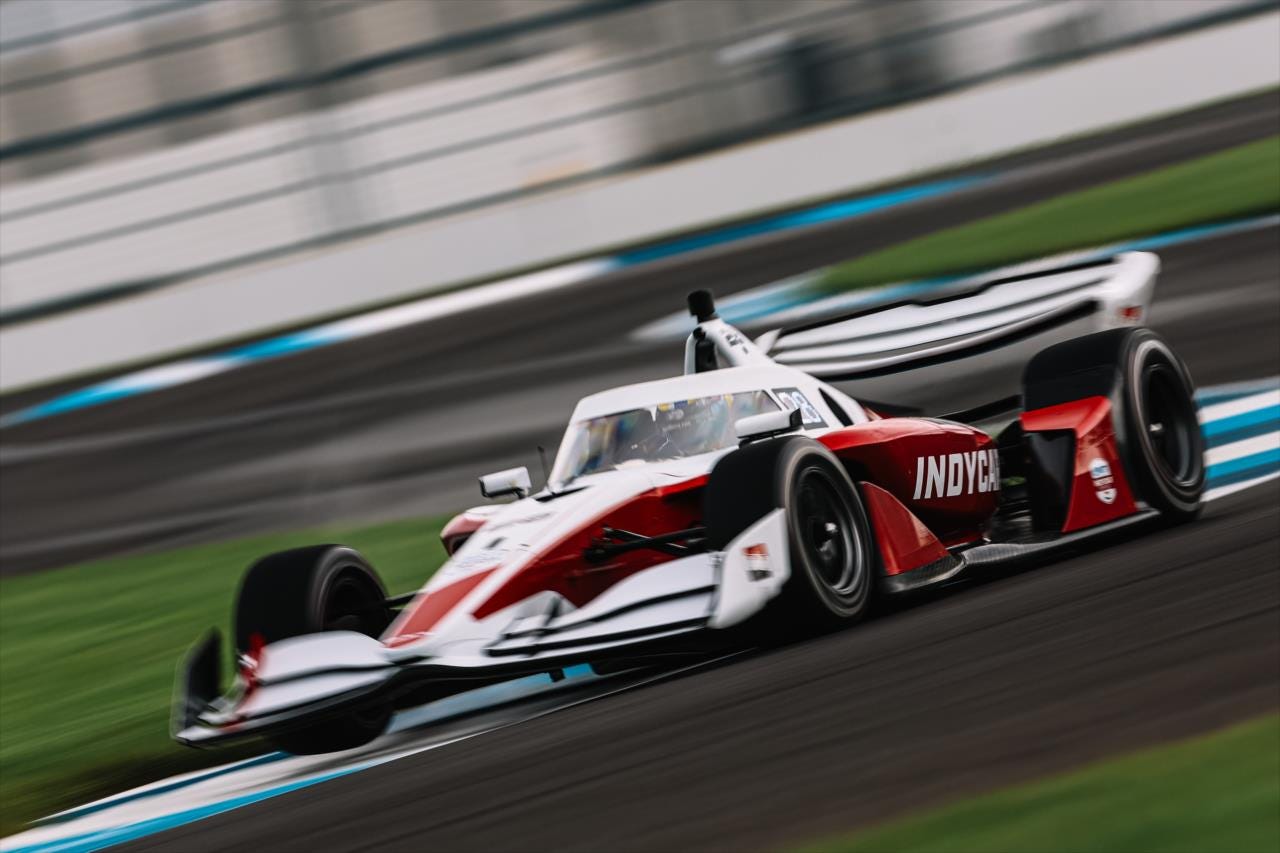
IndyCar’s new IR-28 chassis, developed by the Italian motorsports manufacturer Dallara, evolves the current generation DW-12 to over 800 horsepower, with an estimated 85-15 gas-electric power split.
Early tests, in contrast to F1, have been met with high praise from drivers.
"It’s like Christmas morning,” said Ed Carpenter Racing’s Alexander Rossi at a test at Indianapolis Motor Speedway earlier this summer. “The car has a lot of incredible qualities that we haven’t even scratched the surface of yet. It was an incredible start and just a joy to drive."
The new chassis is due to go into service at the end of the 2027 season. Together with F1’s expected changes and the IMSA and WEC sportscar series ― which also emphasize gas engines ― IndyCar IR-28 solidifies mild hybrids as the preferred motorsports tech — moving away from all-electric.
The Dallara DW-12, which will be in used this weekend in D.C., was constructed in 2012. Over time, the chassis took on a Frankenstein’s transformation as IndyCar responded to safety and electrification needs.
In 2020, IndyCar debuted the DW-12’s Aeroscreen. The cockpit structure was developed to protect drivers from debris and outside impacts after the deaths of drivers Dan Wheldon and Justin Wilson.
To satisfy powertrain partners Chevrolet and Honda, IndyCar introduced a hybrid system into the DW-12 in the middle of 2024, packaging a small motor generator unit and supercapacitors between the engine and gearbox. The hybrid added about 50 horsepower and 120 pounds to the race car, allowing for extra boost at a time of the driver’s choosing.
The gas-electric split was successful as IndyCar solidified itself as one of the world’s most competitive series as evidenced by the closest Indy 500 finish in history in May. In contrast, FIA’s Formula E series has been a fan dud while deep-pocketed teams have dominated F1 with its complicated 50/50 powertrain.
Advertisement
“I believe (IndyCar) got it right,” Helio Castroneves, a four-time Indy 500 winner, said this summer. “It’s a new tool that drivers can use. I understand that manufacturers want to use that for their ordinary cars. It's all about win on Sunday, sell on Monday.”
Ironically, General Motors Co. and Honda Motor Co. both targeted going all-electric in their production vehicles by 2035 and 2040, respectively. Both have pulled back from those goals as consumer enthusiasm for EVs has waned, with Honda canceling EV plans in the United States for hybrid, 4-cylinder powertrains and V-6 engines. Chevrolet makes a hybrid Corvette.
Predicted Penske, who operates nearly 400 auto dealerships worldwide, in 2022: “I don’t think you're going to see the world go all-electric. I think you’ll see hybrid solutions in all kinds of transportation sectors.”
Though 2026 marks the first time that an auto race has been held in the District of Columbia, politics has long been intertwined with motorsport.
The Daytona 500 was shortened to the Daytona 450 during the 1974 oil crisis to save fuel, and IndyCar adopted non-fossil-fuel, plant-based ethanol to feed its engines beginning in 2007.
Hybrid IndyCar has thrived as the world’s fastest-growing major sport with viewership up 27% in 2025 and 17% so far this year.
The new Dallara IR-28 is a clean-sheet chassis that incorporates the safety and hybrid upgrades of the past decade into a more aerodynamic and balanced package.
"IndyCar delivers some of the best racing on the planet, and this evolution of the formula creates new opportunities to enhance it — a lighter car, a more powerful hybrid powertrain, an even safer chassis,” said Honda Racing USA President David Salters.
The IR-28 hybrid system upgrades the twin-turbocharged Chevrolet and Honda V-6 engines’ displacement from 2.2 liters to 2.4 liters while upping overall horsepower to a reported 760. The hybrid system evolves with better energy storage and power in a package that is about 20 pounds lighter than the current unit. Overall, the car is expected to be 100 pounds lighter.
The current hybrid system did not come without its challenges, as IndyCars have suffered numerous powertrain failures over the past two years.
Said defending champion Alex Palou of Chip Ganassi Racing after his first test in the IR-28 earlier this month: “I think we’re going break a lot of IndyCar records on all kinds of tracks. It just feels like it’s a faster car. It feels like it’s a car that is more capable.”
Henry Payne is auto critic for The Detroit News. Find him at hpayne@detroitnews.com or @HenryEPayne.
This article originally appeared on The Detroit News: Freedom 250 is hybrid-powered. How IndyCar signals industry direction.
Source: “AOL Sports”
