


Fast delivery used to mean days — now, retailers are aiming for minutes
Fast delivery used to mean days — now, retailers are aiming for minutes

Andrew Dorn Fri, August 21, 2026 at 10:42 PM UTC
0
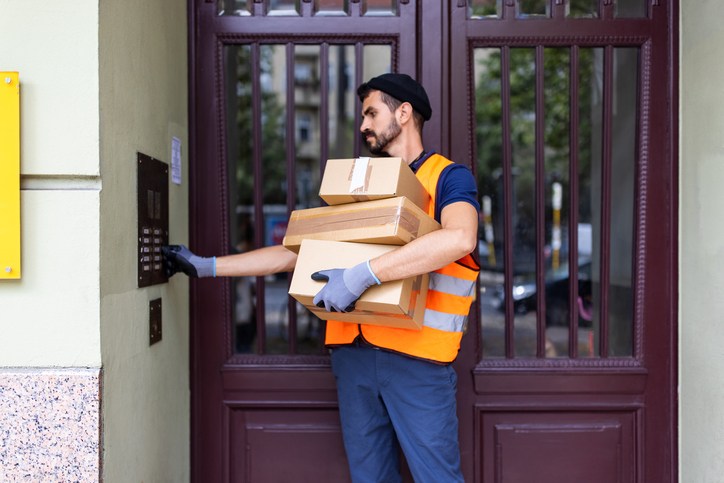
(NewsNation) — Getting an online order in two days used to be considered fast, but today's delivery wars are measured in minutes.
Earlier this week, Amazon said it plans to expand its Prime Air drone delivery service to nearly 500 U.S. cities and towns by the end of the year, bringing orders to customers in as little as 30 minutes.
That would mark a sixfold expansion of its current footprint, which spans cities across seven states, the company said.
The e-commerce giant isn't alone. Major retailers are doubling down on the need for speed, betting that ultrafast service is key to winning customer loyalty.
Amazon drone drops Texas woman’s package in her pool
Home Depot launched "Express Delivery" nationwide this week, giving customers the option to receive items in three hours or less for a flat fee, no membership required.
Meanwhile, executives at Target and Walmart highlighted improvements in delivery speed during calls with investors this week, a clear sign that the DoorDashification of American shopping has spread beyond takeout.
Walmart CEO John Furner said Thursday that the company has expanded sub-30-minute delivery to 38 U.S. markets and credited faster service with helping drive e-commerce growth.
"Speed isn't simply a fulfillment metric — it's an acquisition strategy," Furner said. "Customers who use fast delivery shop with us more frequently, they deepen engagement with us, and they're more likely to become Walmart+ members."
How delivery keeps getting faster
Whatever the trade-offs, delivery has become measurably faster — a tangible improvement for shoppers ordering online.
Average parcel delivery times fell by nearly 40% from 2020 to 2023, dropping from 6.6 days to 4.2 days, according to consulting firm McKinsey & Company.
Three years later, a four-day average seems slow compared with the ultrafast options retailers advertise today, underscoring how quickly delivery logistics have evolved.
DoorDash expands beyond drivers with new drone delivery program
The acceleration comes after a yearslong transition driven by new technology and changes in how retailers store and fulfill orders.
Amazon helped pioneer the model by dividing its operations network into smaller regions and opening fulfillment centers closer to customers. Warehouse robotics and machine-learning algorithms have made the system even more efficient.
Big-box retailers responded by turning their vast store networks into fulfillment hubs, closing the gap with their own ultrafast delivery services.
Combine that shift with the rise of the gig economy, and speedy delivery increasingly depends on how quickly an order can be pulled from a nearby store's shelves and delivered to a customer's door.
Now, companies are looking to drones to speed up that final leg even further.
The delivery wars head to the skies
The next phase of the delivery race aims to bypass traffic altogether, with fully autonomous drones buzzing overhead, packages onboard.
Amazon's Prime Air drone service is currently concentrated in suburban communities around metro areas such as Dallas and Detroit, rather than skyscraper-filled urban cores.
The company says Prime members get free drone delivery on orders of $50 or more and pay $2.99 on smaller orders, while customers without Prime pay $4.99.
Uber targets 1 million drone deliveries a day with new partnership
For now, drone orders are limited to items weighing five pounds or less that fit inside a large shoebox, meaning a new TV will still have to arrive on four wheels.
Walmart is also expanding its drone operations, surpassing one million such deliveries in May. The company plans to add the service at 150 more stores over the next year, creating a network of more than 270 drone delivery locations in 2027.
Whether retailers' ambitious plans materialize — and whether consumers embrace the technology at scale — remains to be seen.
McKinsey found that consumers placed a greater emphasis on shipping costs than on speed in a 2024 survey. Delivery speed, which ranked first in 2022, fell to fifth, behind factors like cost, flexibility and ease of returns.
But patience also depended on the purchase: Household-consumable shoppers were less willing to wait more than three days than fashion shoppers.
Copyright 2026 Nexstar Media, Inc. All rights reserved. This material may not be published, broadcast, rewritten, or redistributed.For the latest news, weather, sports, and streaming video, head to NewsNation.
Source: “AOL Money”
